
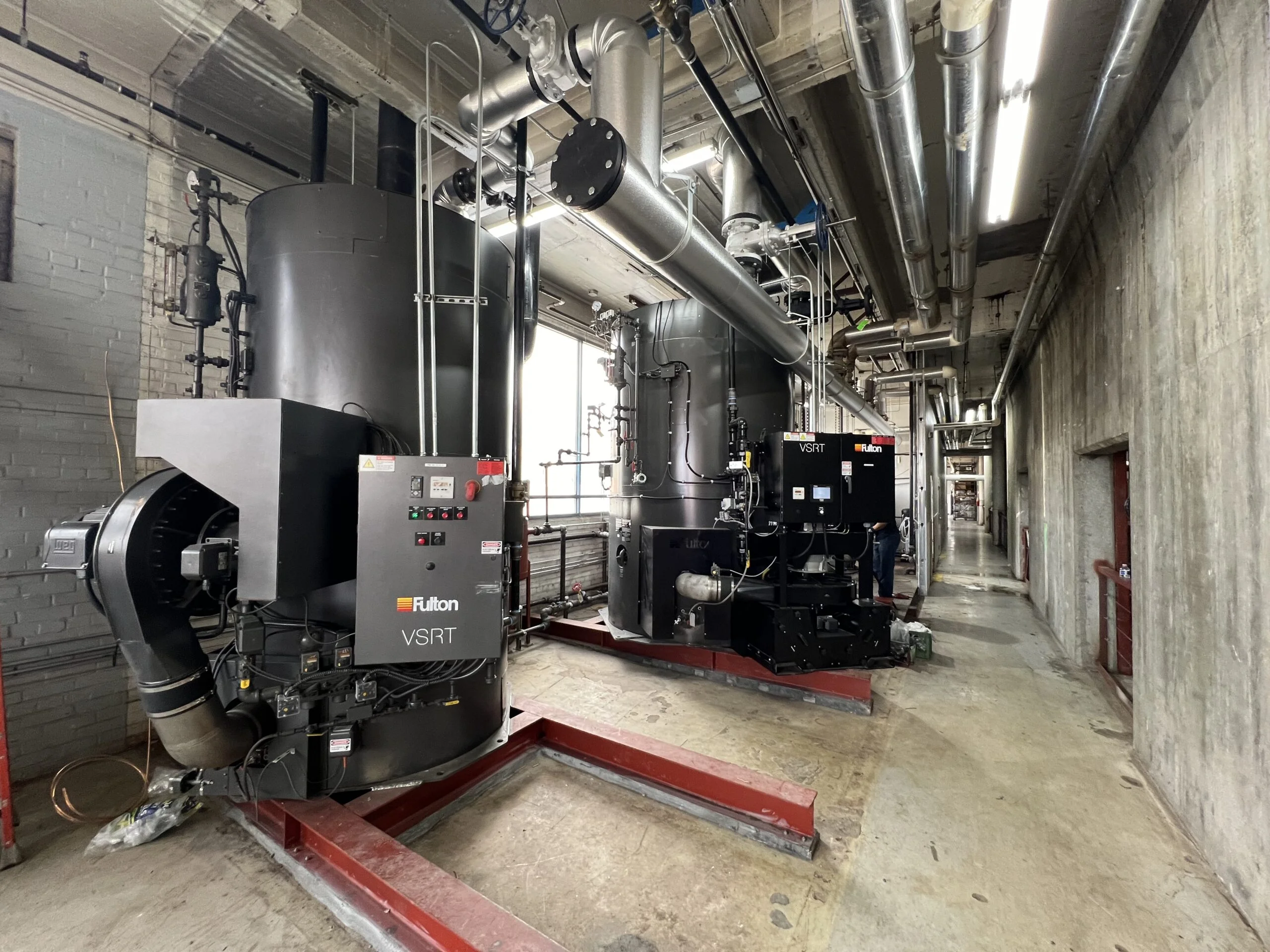
Cold mornings have a way of exposing things that looked fine a few weeks earlier. A steam system that held steady in October can start to drop in boiler steam pressure and become stubborn once winter load shows up. We see it every year in California plants that rarely think of themselves as cold weather facilities. Pressure loss is not random, it is the system talking. Most of the time, the weather is not the root problem. It simply asks more from equipment that has been quietly struggling for a while.
Understanding Boiler Steam Pressure in Winter
Boiler steam pressure is not a single number that lives on a gauge. There is the setpoint you expect, and then there is the pressure the system can actually hold when demand stretches out for hours instead of minutes. In winter, tolerances tighten. Heating coils, process loads, and building systems call for steam at the same time, and the boiler has less room to recover between calls.
Stable pressure matters more than peak pressure. Short dips that recover fast are normal. Ongoing sag, slow rebound, or constant hunting tells a different story. In colder months, those patterns show up faster because the system does not get breaks.
Common Causes Behind Boiler Steam Pressure Drops
This is where experience helps. When boiler steam pressure starts slipping during cold weather, we rarely find one dramatic failure. It is usually a stack of small weaknesses lining up at the same time.
Combustion and Burner Control Limitations
Cold air is dense. That sounds harmless, but it changes how burners breathe. Older linkages and tired actuators struggle to keep the air fuel mix where it needs to be when firing rates climb. The burner may be at high fire, yet pressure crawls instead of climbing.
Operators often notice slow recovery after a long call or short cycling when demand spikes. The flame looks fine at a glance, but response time is off. Winter simply removes the cushion that used to hide that delay.
Cold Makeup Water and Feedwater Shock
Every gallon of cold makeup water entering the boiler absorbs heat that should have become steam. In winter, that water is colder, and losses add up fast. Leaks that were tolerable in summer suddenly matter.
When condensate does not return, the boiler works harder with less to show for it. Pressure drops after extended runs, fuel use rises, and capacity feels limited even though the boiler is technically firing harder. This is one of the most common drivers behind low boiler pressure complaints we hear.
Steam Traps Failing Under Seasonal Demand
Steam traps live a hard life, and winter makes it harder. Increased condensate volume pushes marginal traps past their comfort zone. Many fail open, bleeding live steam into the return system where it does no useful work.
The loss is quiet. There is no alarm, no obvious leak. What you get instead is wet steam, cold coils downstream, and a steady erosion of available pressure. By the time someone asks about steam boiler pressure problems, the damage is already baked into the system balance.
Condensate Return System Problems
Cold weather thickens sludge and highlights weak spots in condensate handling. Pumps strain, receivers lag, and partially blocked lines reduce return flow. In some cases, lines exposed to outdoor air cool enough to slow movement without fully freezing.
Every drop of condensate that fails to make it back increases makeup demand. That feeds right back into pressure instability and fuel waste. It is a loop that keeps tightening as winter load continues.
Pressure Controls and Sensor Drift
Controls age quietly. Pressuretrols drift, transmitters lose accuracy, and calibration that was close enough in mild weather no longer lines up with reality. Winter narrows the acceptable operating window, and small errors suddenly matter.
Symptoms include erratic cut in points, uneven modulation, and pressure swings that never quite settle. The boiler is reacting to bad information, and it shows.
Why Boiler Steam Pressure Problems Escalate Costs
Boiler steam pressure issues rarely stay isolated. When pressure slips, runtimes stretch. Burners fire longer. Fuel consumption rises without a matching increase in output. Downstream equipment sees uneven heat, which disrupts processes and comfort alike.
In California facilities where energy costs already demand attention, these losses add up quietly. Boiler steam pressure instability also increases wear, since equipment cycles harder trying to keep up. None of this is dramatic on day one, but it compounds over the season.
What Gets Checked First When Steam Pressure Drops
Experienced technicians look at trends before touching tools. Pressure histories tell more than spot readings. We watch how the boiler responds under sustained load, not during a quick test.
Makeup water rates matter. So does combustion response when demand ramps. Trap performance shows up in temperature differences and return behavior. This kind of evaluation is not guesswork, it is pattern recognition built from years in boiler rooms.
Facilities already working with a regular boiler service partner often spot these trends earlier because baseline data exists to compare against.
Winter Is the Right Time for Inspection of Boiler Steam Pressure
Winter exposes how a system really performs. There is no better time to evaluate boiler steam pressure than when demand is honest and continuous. Issues found now are real, not theoretical.
Addressing them during the season stabilizes performance for the remaining cold months and improves efficiency once load eases. It also reduces surprises during peak calls when redundancy matters most. Facilities that wait for spring often miss the chance to see problems clearly.
For plants facing temporary capacity limits, short term solutions like a boiler rental can bridge the gap while permanent corrections are planned. Supporting equipment also plays a role, and reviewing boiler room equipment condition during winter often reveals bottlenecks that went unnoticed.
A Few Signs Worth Paying Attention To
- Pressure recovery slows after long heating calls
- Fuel use climbs without added output
- Downstream equipment heats unevenly
- Makeup water usage trends upward
These are not instructions, just signals worth noticing.
Keep the Conversation Grounded
Steam systems are honest. They respond to physics, not wishful thinking. When boiler steam pressure drops in cold weather, it is rarely bad luck. It is the system pointing at something that needs attention.
Facilities that talk through symptoms early usually spend less time chasing symptoms later. A quick conversation can clarify next steps and avoid unnecessary disruption. If pressure behavior has changed this winter, it may be time to look closer and talk it through with people who spend their days inside boiler rooms.
Let’s Get Your Steam Talking Again
Winter has a way of revealing the truth. If your system is showing boiler steam pressure drops and signs of strain, we can help you interpret what it is saying and decide what to check next. Reach out through our contact page and schedule a consultation with a technician who understands real world steam behavior.